How Emerging Transaction Protocols Influence Live Dealer Engagement for High-Value Players on Portable Platforms
Written by Olivia Simmons · Aug 19, 2026
How Emerging Transaction Protocols Influence Live Dealer Engagement for High-Value Players on Portable Platforms
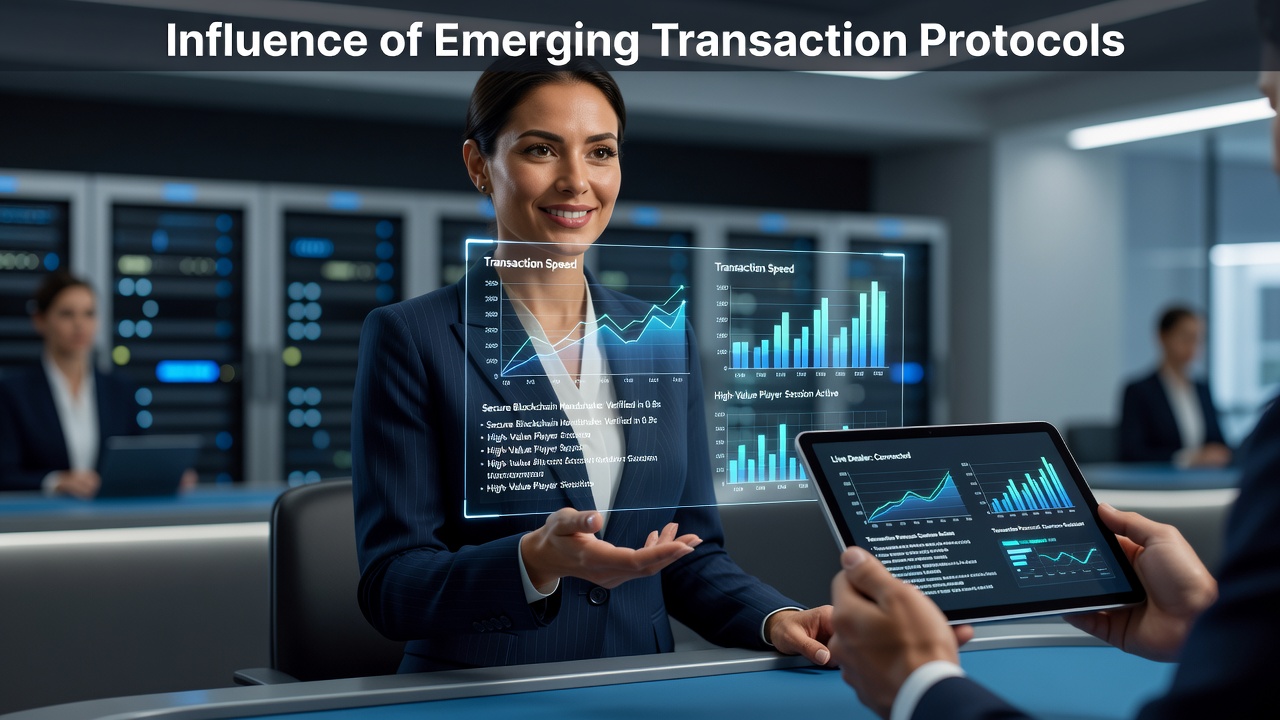
Emerging transaction protocols continue to reshape how high-value players interact with live dealer games on portable platforms, and these shifts have accelerated noticeably since the start of 2026. Protocols built around real-time settlement, tokenized assets, and cross-border instant transfers reduce friction that once interrupted sessions, allowing players to move funds between accounts and tables without leaving the mobile interface.
Protocol Developments Driving Mobile Integration
Real-time payment rails such as those standardized under the European Payments Council and the Federal Reserve's FedNow system now support sub-second confirmations, and data from August 2026 shows increased adoption among operators serving international VIP segments. These protocols replace batch processing cycles that previously required minutes or hours, and they integrate directly with mobile wallets used for live dealer tables. High-value players therefore maintain continuous engagement because deposits and withdrawals occur within the same session window rather than forcing breaks for external verification steps.
Effects on Live Dealer Session Duration and Interaction
Live dealer environments benefit when transaction protocols eliminate loading delays between bets and balance updates, and researchers tracking mobile usage patterns report longer average session lengths among players who rely on instant-settlement methods. Portable devices already impose constraints on screen real estate and network stability, yet newer protocols compress authentication into background processes that require minimal user input. Observers note that high-value participants who previously split attention between the game and separate banking apps now keep focus on the dealer feed and chat functions, which increases participation in side bets and multi-hand tables.
Security and Verification Advantages for Portable Use
Tokenized transaction layers add cryptographic verification that operates efficiently on smartphones and tablets, and this matters for players handling larger stakes where regulatory checks once created noticeable pauses. Protocols incorporating zero-knowledge proofs allow operators to confirm compliance without exposing full account details on mobile networks that may vary in encryption strength. Figures from industry monitoring groups indicate that platforms deploying these methods recorded higher repeat logins from high-value users during the summer months of 2026, particularly on devices running updated operating systems with native hardware security modules.
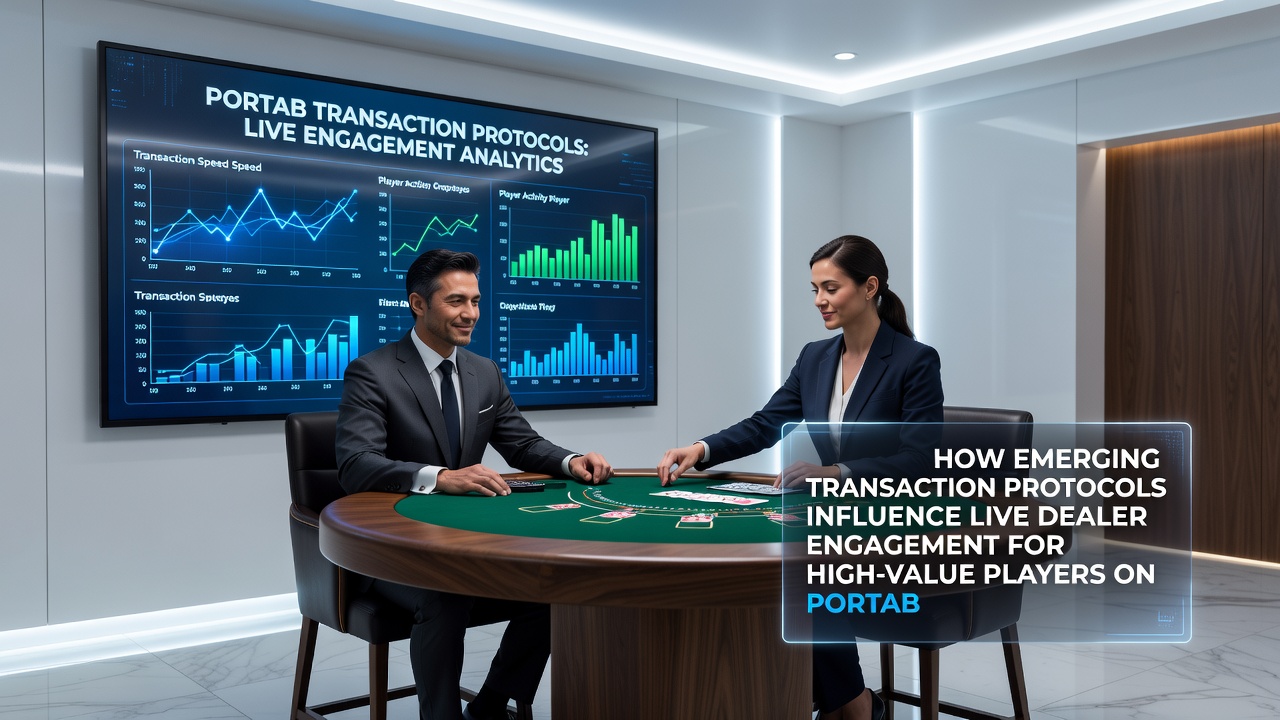
Cross-platform synchronization further supports engagement because updated protocols let players switch between phone and tablet mid-session without re-authenticating balances or open bets. This continuity matters in live dealer formats where table seats carry time-based reservations and chat history influences tipping behavior toward dealers.
Geographic and Regulatory Variations Observed in 2026
Different jurisdictions apply distinct rules to these protocols, and evidence from regulatory filings shows that markets with clear frameworks for instant settlement experience faster rollout among operators targeting portable audiences. A report prepared by the European Central Bank outlines how instant payment schemes integrate with gambling platforms while maintaining consumer protection standards, and similar guidance from Canadian provincial authorities has encouraged parallel testing in North American markets. High-value players operating across borders encounter fewer currency conversion holds when protocols align with local real-time systems, which sustains table activity during travel periods when portable access becomes teh primary connection method.
Operational Adjustments by Platforms and Providers
Live dealer software providers have updated their APIs to accommodate protocol-level callbacks that confirm fund movements without interrupting video streams, and this technical alignment reduces instances where players must refresh the mobile interface to see updated balances. Data collected by gaming technology associations indicates that platforms incorporating these callbacks saw measurable increases in per-session handle among VIP segments during the first half of 2026. Portable platforms also benefit from reduced chargeback exposure because irreversible settlement protocols limit disputes once a transaction clears, which operators cite when adjusting risk models for high-value accounts.
Conclusion
Transaction protocol advancements continue to intersect with live dealer mechanics on portable devices, and the patterns observed through August 2026 demonstrate measurable effects on session continuity and player behavior for high-value participants. Regulatory bodies across multiple regions supply ongoing guidance that shapes implementation speed, while technical standards evolve to match the processing demands of mobile networks. These developments remain grounded in measurable infrastructure changes rather than speculative projections, and further documentation from academic and governmental sources will track their trajectory in subsequent reporting periods.