Biometric Authentication Driving Efficiency in Instant Reward Processing for Mobile Live Gaming Platforms
Written by Sam Lehmann · Nov 11, 2026
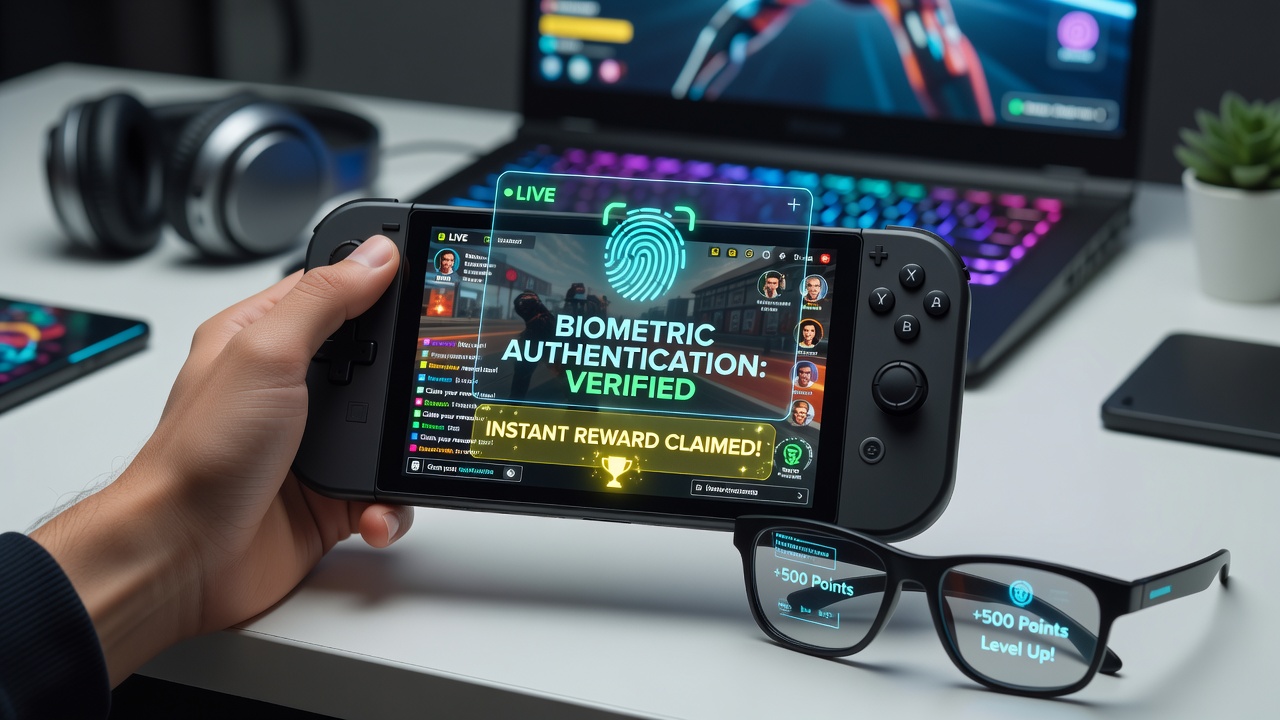
Biometric Authentication Driving Efficiency in Instant Reward Processing for Mobile Live Gaming Platforms
Biometric authentication systems have become central to verification processes in portable live gaming environments, where players access real-time dealer interactions and claim rewards without traditional login delays, while operators integrate fingerprint scanning, facial recognition, and voice patterns to confirm identities before processing instant payouts.
Core Mechanisms Behind Biometric Integration
Portable devices equipped with advanced sensors capture biometric data during initial setup, then compare live scans against stored templates to authorize reward claims in seconds rather than minutes, and this approach connects directly to live gaming sessions where high-frequency bets and bonus triggers occur simultaneously on smartphones or tablets. Data from industry reports indicates that such systems handle verification through encrypted local processing on the device itself, which minimizes transmission risks while maintaining compliance with regional gaming standards outside the UK framework.
Impact on Reward Claim Speed and Security
Instant reward claims benefit from biometric layers because players complete identity checks mid-session without interrupting live dealer tables, whereas older password methods often required multiple steps that delayed bonus allocations or cashout approvals. Research conducted by university teams in the United States shows adoption rates climbing as mobile platforms link biometric approval to automated payout engines, allowing rewards tied to live game milestones to reach player accounts within the same minute of triggering. Observers note that security improves concurrently since unique biological markers replace reusable credentials, reducing instances of account takeovers reported in earlier portable gaming data sets.
Regional Developments and November 2026 Context
Regulatory bodies across North America and Australia have issued updated guidelines that encourage biometric options for mobile operators, and these frameworks emphasize real-time verification during live streams where players claim progressive jackpots or loyalty bonuses. In November 2026 several testing programs in Nevada and Victoria are scheduled to expand pilot programs that combine multi-factor biometrics with live game feeds, creating seamless pathways from wager placement through reward distribution on portable hardware. Figures released by the Nevada Gaming Control Board reveal steady growth in biometric-enabled transactions, while parallel studies from Australian research institutions track similar patterns in engagement metrics for high-volume live tables accessed via tablets.

Technical Challenges and Operational Adjustments
Device compatibility remains a key consideration because older portable hardware may lack the sensor precision needed for reliable facial or fingerprint matching during fast-paced live rounds, yet newer models incorporate higher-resolution cameras and processors that support continuous authentication without draining battery life. Operators adjust backend systems to handle peak loads when thousands of simultaneous live sessions trigger reward claims, and they route biometric confirmations through secure APIs that sync with payment processors in under three seconds according to published benchmarks. Those who have examined case studies from North American platforms report that fallback protocols activate when scans fail due to lighting conditions or device movement, preserving access while still meeting audit requirements.
Player Experience Patterns Across Markets
Players in regions with mature mobile infrastructure often encounter biometric prompts immediately after joining live blackjack or roulette tables, and this timing allows reward claims for streak bonuses or deposit matches to process without exiting the game window. Industry organizations tracking portable gaming trends have documented higher session retention when biometric steps replace manual entry fields, because the process feels integrated rather than separate from the live experience. What's interesting is how these systems adapt across time zones, since live dealer availability peaks during evening hours in major markets and biometric verification scales accordingly without additional staffing.
Future Integration Pathways
Emerging standards point toward combined biometric and behavioral analysis that monitors playing patterns alongside physical traits, enabling operators to flag unusual reward claim activity during live sessions while keeping legitimate players moving through verification quickly. Academic papers from Canadian institutions highlight ongoing refinements in accuracy rates for diverse user groups, including adjustments for age-related changes in facial features or skin conditions that affect fingerprint readers. As portable live gaming continues to expand, these layered approaches are expected to support cross-border reward processing under varying regulatory models that differ from UK structures.
Conclusion
Biometric authentication continues to reshape how instant rewards flow through portable live gaming environments by shortening verification windows and tightening security around each claim. Evidence from multiple regions demonstrates consistent operational gains when these technologies align with live dealer platforms, and ongoing pilots scheduled through late 2026 will likely refine the balance between speed and compliance further. Operators and players alike encounter systems that prioritize direct, device-level confirmation while supporting the continuous flow of live table action and associated bonuses.